The Mediterranean Diet and Diabetes: What to Eat in Malta
Published: March 6, 2026
Malta has a rich food culture rooted in the Mediterranean tradition — and this tradition happens to align closely with what research shows supports blood sugar control. Here is how to adapt local eating habits for better diabetes management.
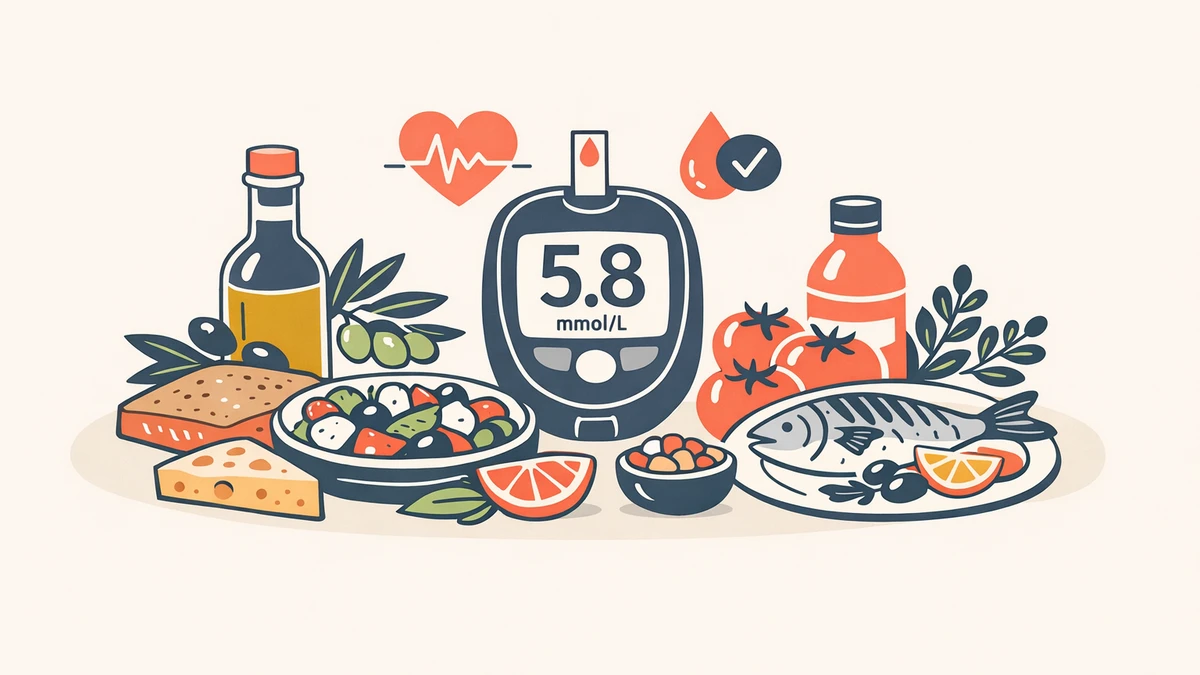
Why the Mediterranean Diet Works for Diabetes
The traditional Mediterranean dietary pattern is consistently shown in research to improve insulin sensitivity, reduce HbA1c levels and lower cardiovascular risk — all key concerns for people with type 2 diabetes or pre-diabetes. Its emphasis on fibre-rich whole grains, legumes, vegetables, olive oil and lean protein slows glucose absorption and reduces post-meal blood sugar spikes. It is also a pattern that people actually enjoy following long-term, which matters enormously in chronic condition management.
Building Your Plate the Maltese Way
Rather than counting every gram of carbohydrate, the plate method offers a practical visual guide:
- Half the plate: non-starchy vegetables – tomatoes, peppers, courgettes, aubergines, leafy greens, cucumber, or a Maltese-style salad with capers and olives.
- One quarter of the plate: lean protein – grilled fish (lampuki, tuna, swordfish), chicken, eggs, or legumes like ġidra (chickpeas) or beans.
- One quarter of the plate: low-GI carbohydrates – wholemeal bread, brown rice, pasta al dente, boiled new potatoes, or ftira with plenty of vegetables.
- Healthy fat: a drizzle of extra virgin olive oil, a small portion of nuts or avocado.
Local Foods That Support Blood Sugar
Many traditional Maltese ingredients are genuinely supportive of glucose management:
- Bigilla (broad bean paste): rich in fibre and plant protein, which slows glucose absorption.
- Lampuki (dolphin fish): a lean, omega-3-rich seasonal fish with no impact on blood sugar.
- Tomatoes and Mediterranean vegetables: low glycaemic index and rich in antioxidants that reduce inflammation linked to insulin resistance.
- Legumes: chickpeas, lentils and white beans have a low GI and are traditionally central to Maltese cooking.
- Olive oil: monounsaturated fats support insulin sensitivity and cardiovascular health.
Foods to Moderate
This is not about avoiding entire food groups but being mindful of portions and frequency:
- Refined carbohydrates: white bread, white rice, pastizzi and regular pasta in large portions raise blood glucose quickly. Enjoy them in smaller portions alongside plenty of protein and vegetables.
- Sweetened drinks: fruit juice, sodas and sweetened coffee are among the most impactful sources of rapid glucose rise. Water, sparkling water, herbal teas and unsweetened coffee or tea are much better choices.
- Processed meats: sausages, bacon and processed deli meats are associated with increased cardiovascular risk in people with diabetes and should be occasional rather than daily choices.
When to See a Registered Dietitian
While general advice is helpful, diabetes nutrition is highly individual. Factors like medication type, weight management goals, kidney function, other health conditions and lifestyle all influence the right dietary approach. A registered dietitian can help you develop a personalised plan that fits your life and your numbers — without eliminating all the foods you love.